United States v. Keith Raniere et al.EDNY · 18-cr-204
One nonpartisan case. A doorway into the lawfare against President Trump.
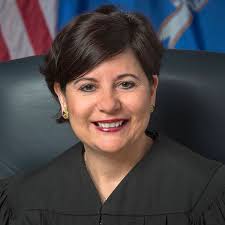
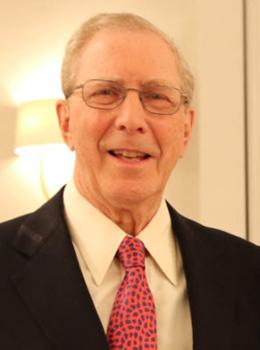
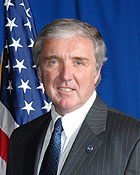
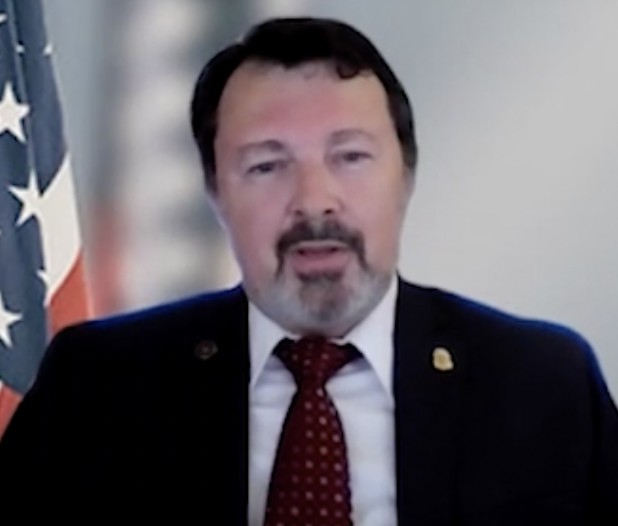
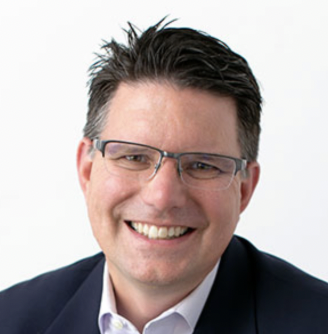
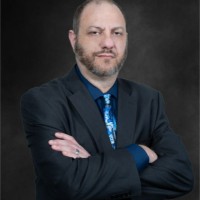
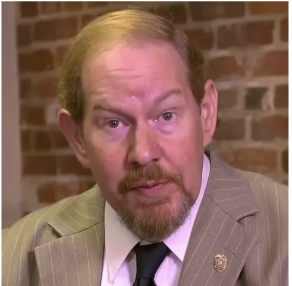
Here is what former FBI and DOJ officials found about United States v. Keith Raniere:
and other prominent figures stated they have “never seen a case with this degree of widespread government malfeasance” — and much of the misconduct is provable from the government’s own records.
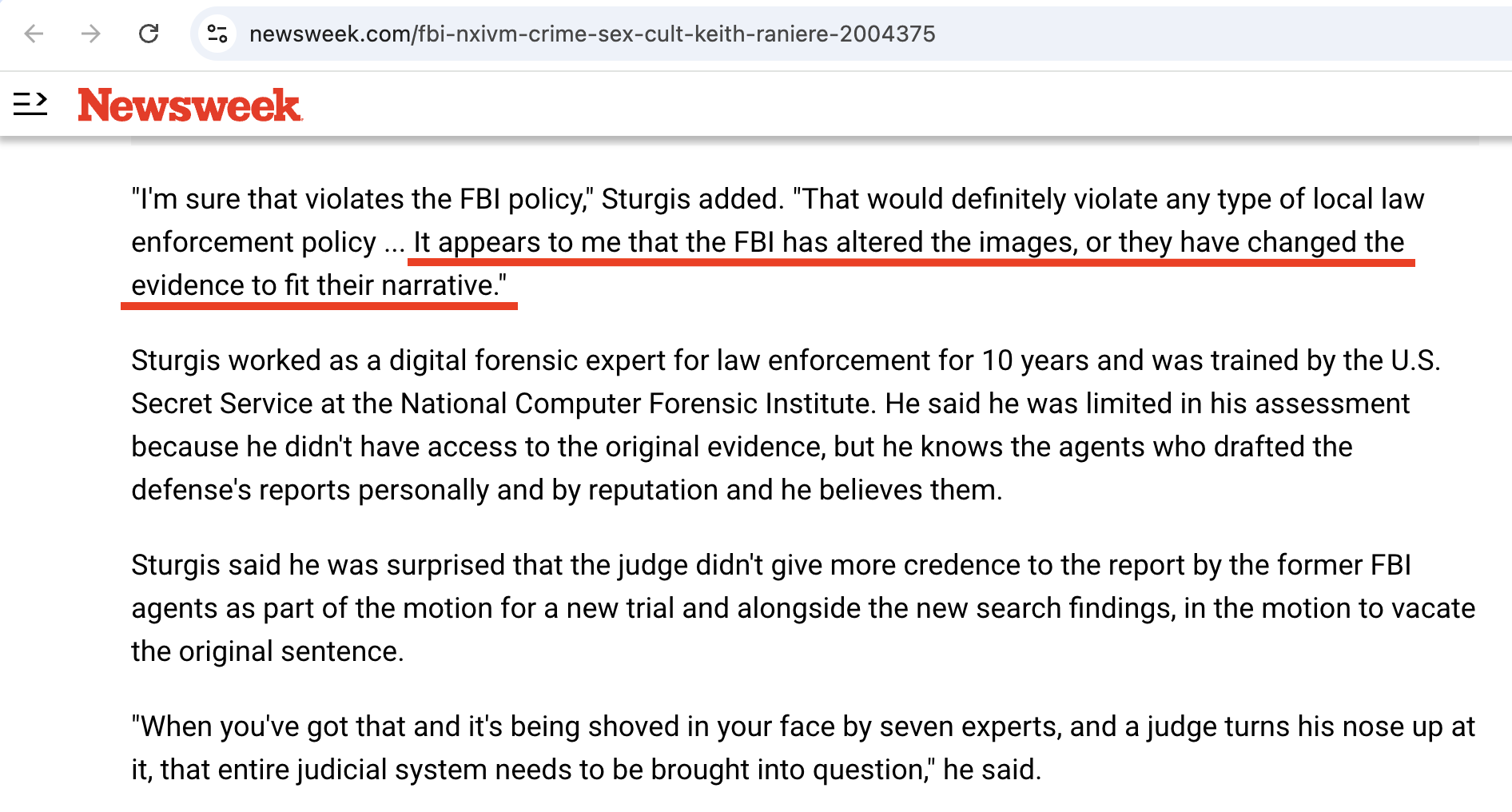
concluded, under penalty of perjury, that the core evidence was planted and falsified — a finding an independent expert hired by Newsweek confirmed.
have told the FBI Director the record shows “clear evidence of indictable government crime.”
This demonstrates the same kind of weaponization later used against President Trump — on a smaller scale, in a non-partisan case (with support from ), and one that left behind an unusually large trail of proof.
Many of the same actors who participated in this case, defended it, or blocked scrutiny of it later appeared in major lawfare actions against President Trump:
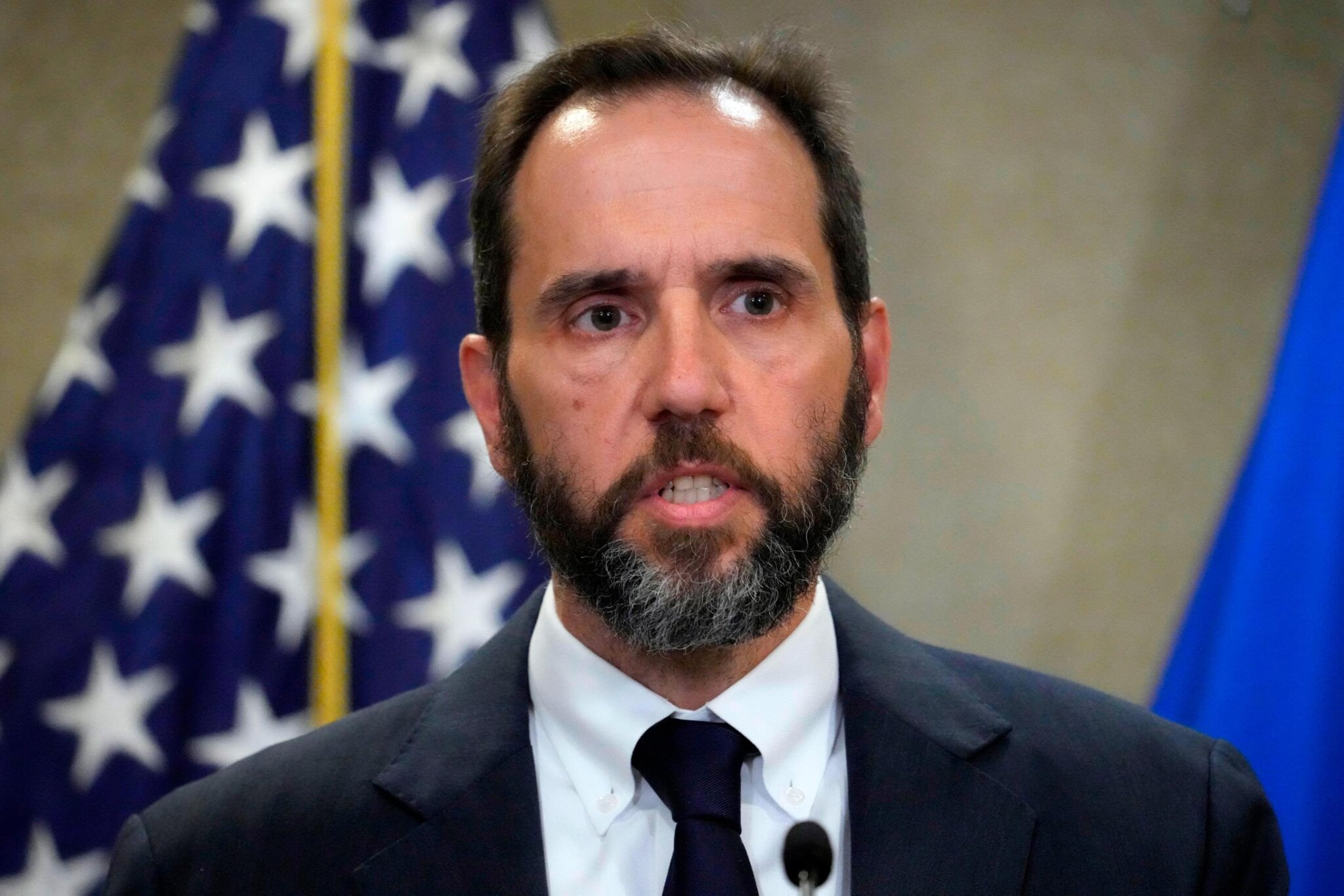
Jack Smith
Jack Smith selected, as an intended testifying witness in the Mar-a-Lago case, an FBI examiner whose only recent testimonial assignment had been — according to former FBI examiners — “cover[ing] up evidence fabrication here.”
It is a fair question, and it should be asked. Jack Smith — of all the FBI examiners in the country — why did you select as an intended testifying witness one whose only recent role was what former FBI and DOJ officials describe as “used to cover up evidence fabrication”?
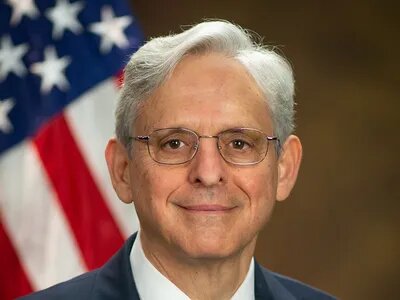
Merrick Garland
Attorney General Merrick Garland gave Attorney General’s Awards to some of the very agents and prosecutors implicated in what the three former U.S. Attorneys said was the most “widespread government malfeasance” ever seen in their careers — months after proof of the misconduct, verified by multiple forensic examiners and a retired FBI Quantico Unit Chief, had been filed in open court.
Former AG Garland should be put under oath, walked through every documented instance of government misconduct, and asked the same question each time: is this acceptable? If he says no, then one last question: why did he and his office give the people who did it awards? Even if he had no direct involvement in the decision to award, the awards are still his office’s to answer for.
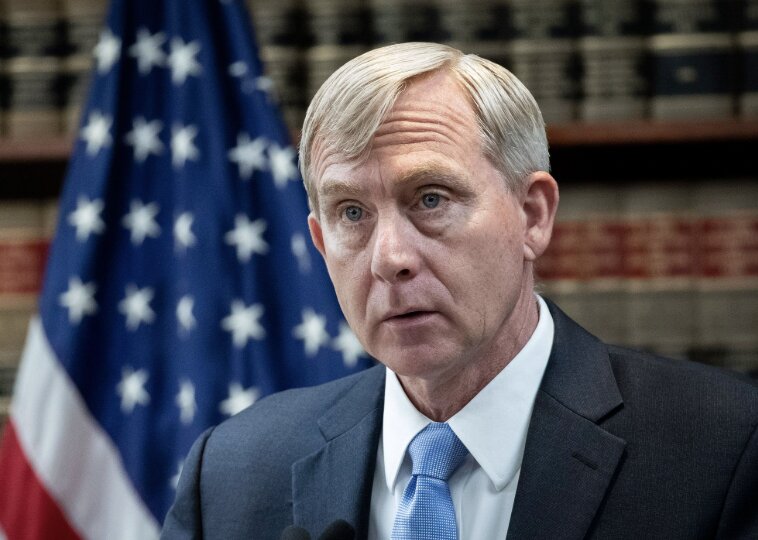
Richard Donoghue
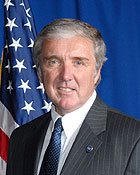
Richard Donoghue, the U.S. Attorney who supervised that very prosecution, went on to become a star January 6 witness against President Trump. And at the post-verdict podium he announced a crime that was never charged — “compelled abortions,” alleged by no witness and never tried — cementing a fabrication into the permanent public record of a federal case. Either it was handed to him or it came from his office; neither is harmless.
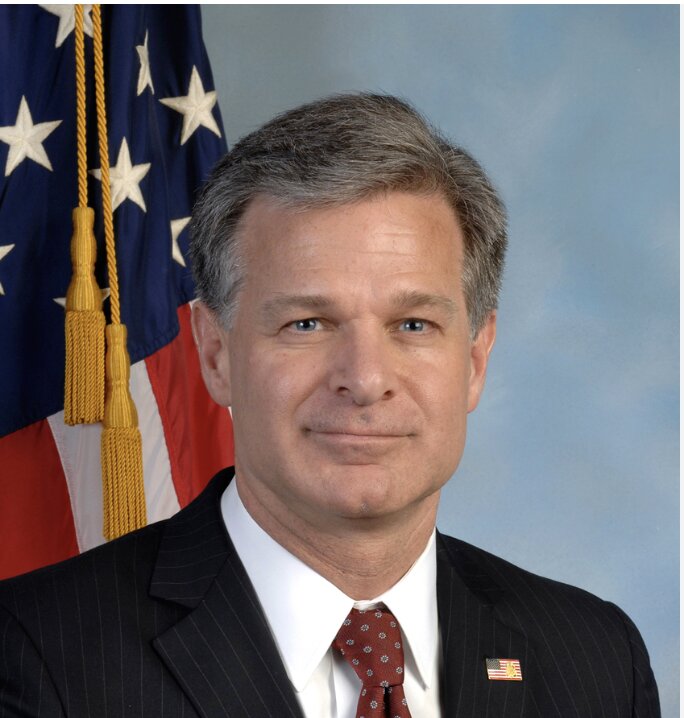
Christopher Wray
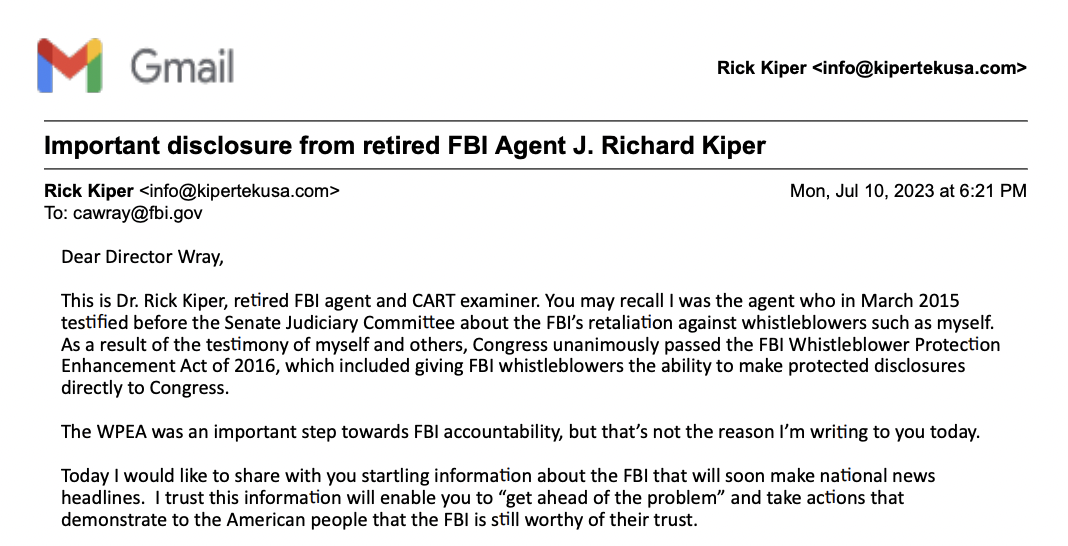
FBI Director Christopher Wray would not act — even after a decorated retired FBI unit chief he knew personally, with twenty years of service, warned him in writing, repeatedly, that this would become “the biggest FBI evidence scandal since the 1990s.”
Federal Judges: Garaufis, Kahn & Leval
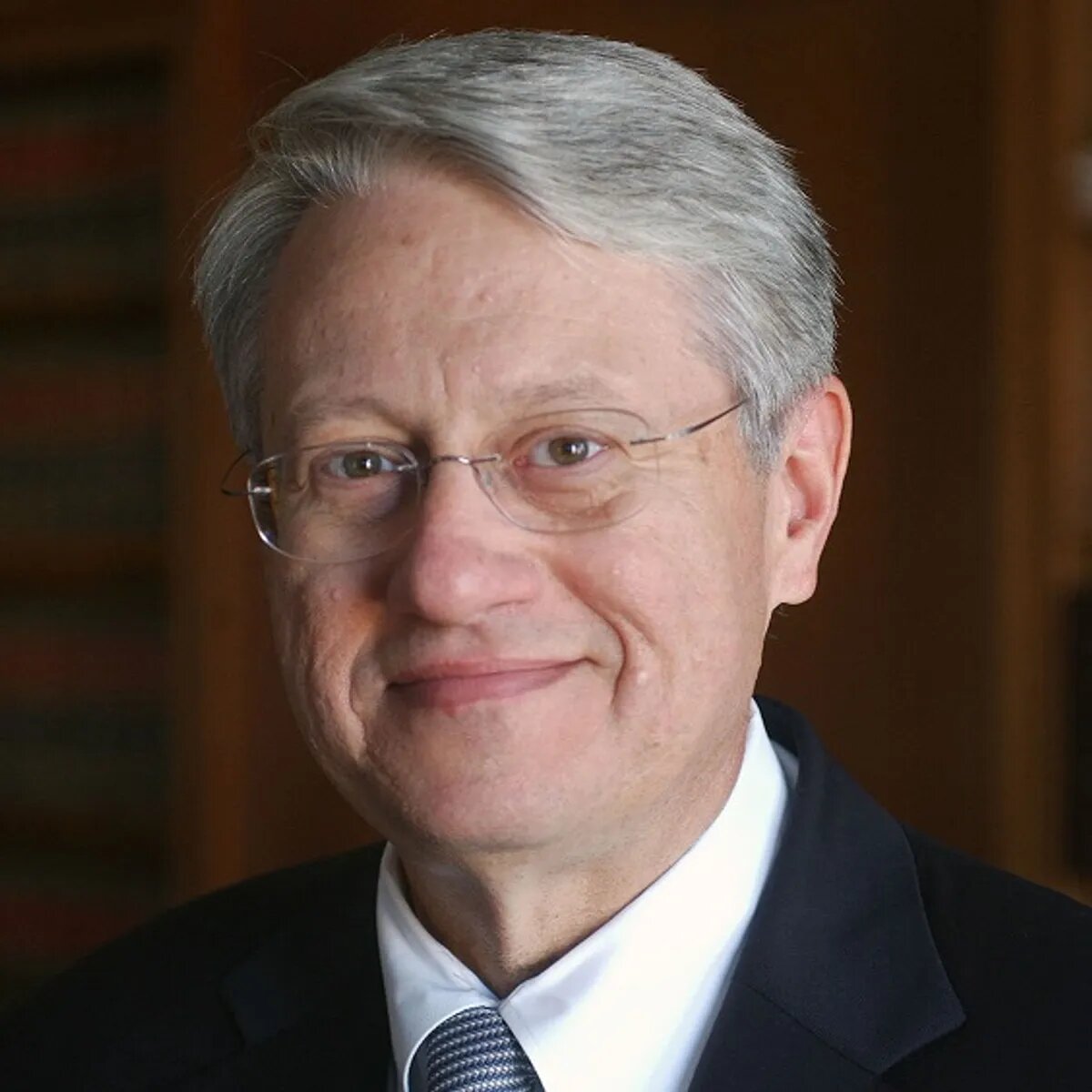
The judges who blocked even a hearing into the alleged government fraud — verified by seven forensic experts, four of them former FBI — also delivered major rulings against President Trump, including upholding the $83.3 million E. Jean Carroll judgment.
The district and appellate judges denied even a hearing, based on the untested, undated report of Loveall — Jack Smith’s own expert — without ever putting him on the stand, in violation of the Second Circuit’s own rule. Those same judges overturned President Trump on DACA, upheld the $83.3 million E. Jean Carroll judgment, and revived the Emoluments Clause suit.
Alvin Bragg’s Trump Prosecutors
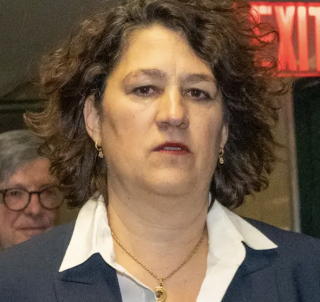
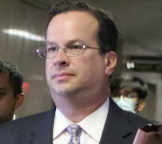
The Manhattan prosecutors who turned away the evidence of FBI crime here went on to lead the case against President Trump.
A former assistant district attorney from Alvin Bragg’s own office — alongside that same retired FBI unit chief — brought the evidence of FBI crime to Bragg’s prosecutors, whose jurisdiction covered it, since some of the conduct occurred in Manhattan. They agreed to meet, then walked away the moment they learned what the case was. Those same prosecutors went on to lead the Manhattan prosecution of President Trump.
Co-Counsel in Defamation Case Against President Trump
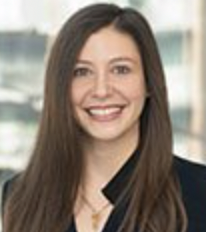
Moira Kim Penza, the lead prosecutor who secured this conviction — and is herself implicated in the misconduct behind it — later left the Justice Department to serve as co-counsel suing President Trump in the Summer Zervos defamation case.
The New York Times
The outrage the whole prosecution was built on came from a single 2017 New York Times story — published after federal prosecutors had declined, and after the State Police had called the conduct “consensual”. The Times now faces a $15 billion defamation suit from President Trump.
Media Outlets Tied to NYSP-Verified Intrusions
The “NXIVM cult” narrative — seeded and amplified by Dow Jones, Advance Publications, and the Albany Times Union — built public hostility against Mr. Raniere and NXIVM years before the EDNY prosecution, making the allegations easier to accept and contrary evidence easier to overlook. Those same outlets were traced, through corporate-office IP addresses, to illegal intrusions into NXIVM’s servers — intrusions verified by the New York State Police.
Civilians who assisted these outlets were criminally charged — one pleaded guilty — and several appeared as non-testifying “sentencing victims” in this very prosecution. The companies themselves were never pursued, though on this record they may remain exposed under statutes such as RICO.
Dow Jones, owner of The Wall Street Journal, now faces a $10 billion suit from President Trump.
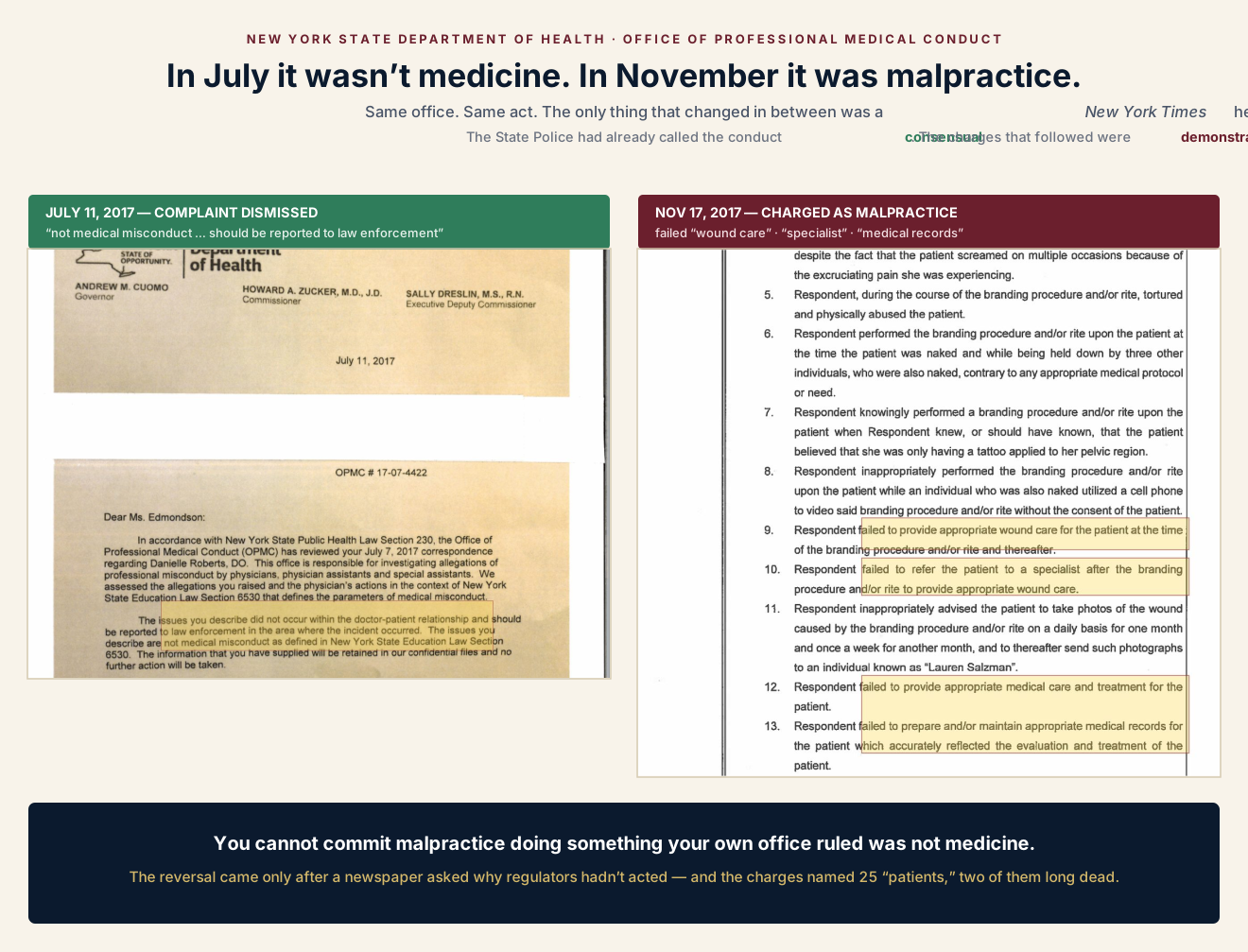
The State Police called the conduct consensual. The state medical board called it “not medical misconduct.” Then a New York Times headline ran — and the same board charged the doctor with malpractice for the identical act, on allegations that were demonstrably false, and subpoenaed the women who would become the EDNY’s own defendants.
In July 2017 the state’s Office of Professional Medical Conduct dismissed the complaint against Dr. Danielle Roberts — the conduct “did not occur within the doctor-patient relationship” and was “not medical misconduct.” Days after a Times story asked why regulators hadn’t acted, the same office reversed itself and charged her with failing at sterile technique, wound care, specialist referral, and medical records — malpractice, for an act it had just ruled was not medicine. It then ignored its own 90-day charging deadline to hold her license for two years over a potential defense witness, reviving the case one week after the federal guilty verdict.
The Nonpartisan Case That Exposes the Playbook
Wherever weaponization is alleged by President Trump or his allies, it gets discounted as self-serving or political. This case can’t be. It is nonpartisan, it carries scientific proof of “indictable government crime,” and it is backed by experts on both sides of the aisle — and it is where the same actors now arrayed against President Trump ran their playbook against someone far less powerful, and left the receipts behind.
Raniere-case actors who also appear in the cases against President Trump.
None of this asserts a verdict. And because this is a nonpartisan case — the misconduct uncovered by former FBI and DOJ officials, the findings backed by legal figures on both sides of the aisle — these questions can’t be waved away as politics or score-settling. That is what makes them answerable on the merits. These are the questions a fair inquiry would put on the record — each documented, each answerable with documents and sworn testimony:
Jack SmithWhy select, for the Mar-a-Lago case, an FBI examiner whose only other recent role was — per former FBI officials — covering up evidence fabrication?
Merrick GarlandWhy award the implicated agents and prosecutors — for their work in this very case — after the proof was filed in open court?
Richard DonoghueHow did “compelled abortions” — a crime never charged, never alleged, and never tried — become the government’s official word at the verdict?
Christopher WrayAfter repeated written warnings from a decorated FBI veteran he knew personally, why did the Bureau open no known investigation?
The reviewing judgesWhy was an evidentiary hearing denied on the basis of an untested, undated report — against the Second Circuit’s own rule?
Alvin Bragg’s Trump prosecutorsWhy was expert-certified evidence of government crime within the office’s own jurisdiction — presented by a former ADA of that very office — declined without so much as a meeting?
The media outletsWhy were Dow Jones, Advance Publications, and the Albany Times Union — traced by the State Police to illegal intrusions into NXIVM’s servers — never investigated or charged, when the civilians who assisted them were?
New York State Dept. of HealthWhy did the same office that ruled the conduct “not medical misconduct” in July 2017 — conduct the State Police had already called consensual — reverse itself that November, days after a Times story asked why regulators hadn’t acted, and issue a 70-page Statement of Charges that were demonstrably false: 25 “patients,” including two long dead and a dozen women it never happened to, charging an act it had called non-medical as failed medicine — then blow its own 90-day deadline to hold a potential defense witness’s license hostage until one week after the federal verdict?
The basis to ask these questions — and to demand answers — is already in the record. The only open question is whether they will be pursued, under oath and under subpoena.
New York State Department of Health · Office of Professional Medical Conduct
Not medicine in July. Malpractice in November.
The State Police had already called the conduct consensual. The state medical board looked at it and ruled it was not the practice of medicine. Then a New York Times story ran — and the same board reversed itself, charging the doctor with medical malpractice for the identical act, on allegations that were demonstrably false. Nothing about the facts changed in between. You cannot commit malpractice performing an act your own office ruled was not medicine — and that contradiction, in two documents from the same agency, is the whole case.
Same agency, 129 days apart. Exhibit A (July dismissal) and Exhibit B (November charges).
July 11, 2017 — the dismissal. A complaint from Sarah Edmondson lands at OPMC. The office — through its Central Intake Unit, not a prosecutor — closes it in writing:
“The issues you describe did not occur within the doctor-patient relationship… are not medical misconduct… should be reported to law enforcement… no further action will be taken.”OPMC #17-07-4422, July 11, 2017 · Exhibit A
October 2017 — the only thing that changed. A New York Times story exposed DOS and faulted New York regulators for not acting — noting the State Police had already called the conduct “consensual.” Two days later, a spokesman for Governor Cuomo said officials would “review why regulators and others did not act.” No new facts. A new headline.
November 17, 2017 — the reversal. The same office issued an unsigned, undated 70-page Statement of Charges — now treating the act it had just called non-medical as failed medicine:
Charged with operating in a non-“sterile environment,” failing to provide “wound care,” failing to refer to a “specialist,” failing to keep “medical records” — and with having “tortured and physically abused” the patient.Statement of Charges, Nov. 17, 2017 · Exhibit B
Those are medical duties — they only exist if the act is medicine. A tattoo artist keeps no medical records, runs no sterile OR, and refers no one to a specialist. The charges fault Dr. Roberts for skipping medical steps during an act the agency itself had ruled was not medical.
And the charges were demonstrably false on their face. They alleged misconduct toward 25 individuals — including two who had died of natural causes long before. They named a dozen women it never happened to, among them Nancy Salzman, the 60-plus-year-old NXIVM president. They claimed Edmondson “requested on multiple occasions” that Roberts stop, and believed she was getting “only a tattoo” — both contradicted by Edmondson’s own filmed, consented session.
Then the weaponization. Within weeks, prosecutor Jeffrey Conklin raised “the possibility of separate criminal investigations” and pressed for surrender of the license. In January 2018 he subpoenaed seven women — including Allison Mack and India Oxenberg, who months later became the EDNY’s own co-defendant and unindicted co-conspirator — commanding them to hand over emails, texts, photos, and videos of the procedure.
Dr. Roberts was a potential defense witness: positioned inside DOS alongside the government’s key accuser, with first-hand evidence contradicting the coercion narrative. Under New York Public Health Law §230, charges were due within 90 days of the February 2018 interview offer. They never came. The case sat dormant for the length of the federal trial — and Conklin reappeared on June 27, 2019, one week after Raniere’s guilty verdict (507 days after the offer), floating a “resolution short of a permanent surrender.”
There is no version of this that is about medicine
The same office said the act was not medicine, then charged it as bad medicine — on charges that named dead women and women it never happened to. It blew its own 90-day deadline, subpoenaed the future federal defendants, and timed its every move to the criminal trial of Keith Raniere.
A state medical board does not behave this way to protect patients. It behaves this way when it has been turned into an instrument of a federal prosecution — and used to intimidate a defense witness into silence.
This is New York State regulatory power, flipped overnight by a press cycle and pointed at a target — the same machinery later asked to be trusted in the cases against President Trump.
Three former U.S. Attorneys & the experts beside them
“In our collective experience, we have never seen a case with this degree of widespread government malfeasance as United States v. Keith Raniere et al.”
MS
Michael Sullivan
Former U.S. Attorney, District of Massachusetts
BT
Brett Tolman
Former U.S. Attorney, District of Utah
BC
Bud Cummins
Former U.S. Attorney, E.D. Arkansas
RM
Hon. Richard Mays, Sr.
Retired Justice, Arkansas Supreme Court
AE
Alan Ellis
Past President, NACDL
JK
Dr. James R. Kiper
Retired FBI Forensic Examiner · 20 yrs FBI
MB
Mark D. Bowling
Retired FBI Asst. Special Agent in Charge & Forensic Examiner, 20 yrs
KD
Kenneth DeNardo
Former FBI Senior Evidence Technician, 23 yrs
SA
Steven Abrams
Digital Forensics Expert; former U.S. Secret Service
WN
Wayne Norris
Computer Forensic Expert; 36 yrs as expert witness
SB
Stephen Bunting
Former Captain, U-Del Police; author of 5 forensics textbooks
What other voices say
RS
Ronald S. Sullivan Jr.
Harvard Law Professor; has led the exoneration of more than 6,000 wrongfully convicted individuals — more than any attorney in U.S. history.
“Keith Raniere’s case represents one of the most egregious miscarriages of justice I have encountered.”
AD
Alan Dershowitz
Harvard Law Professor Emeritus; constitutional & criminal-defense attorney.
“The scale of government malfeasance uncovered in this case is both remarkable and dangerous.”
Under penalty of perjury
Seven forensic experts
Seven forensic experts — four of them former FBI examiners — concluded under penalty of perjury that the evidence the prosecution called the “heart” of its case was planted on a hard drive and a camera’s memory card, with falsified timestamps.
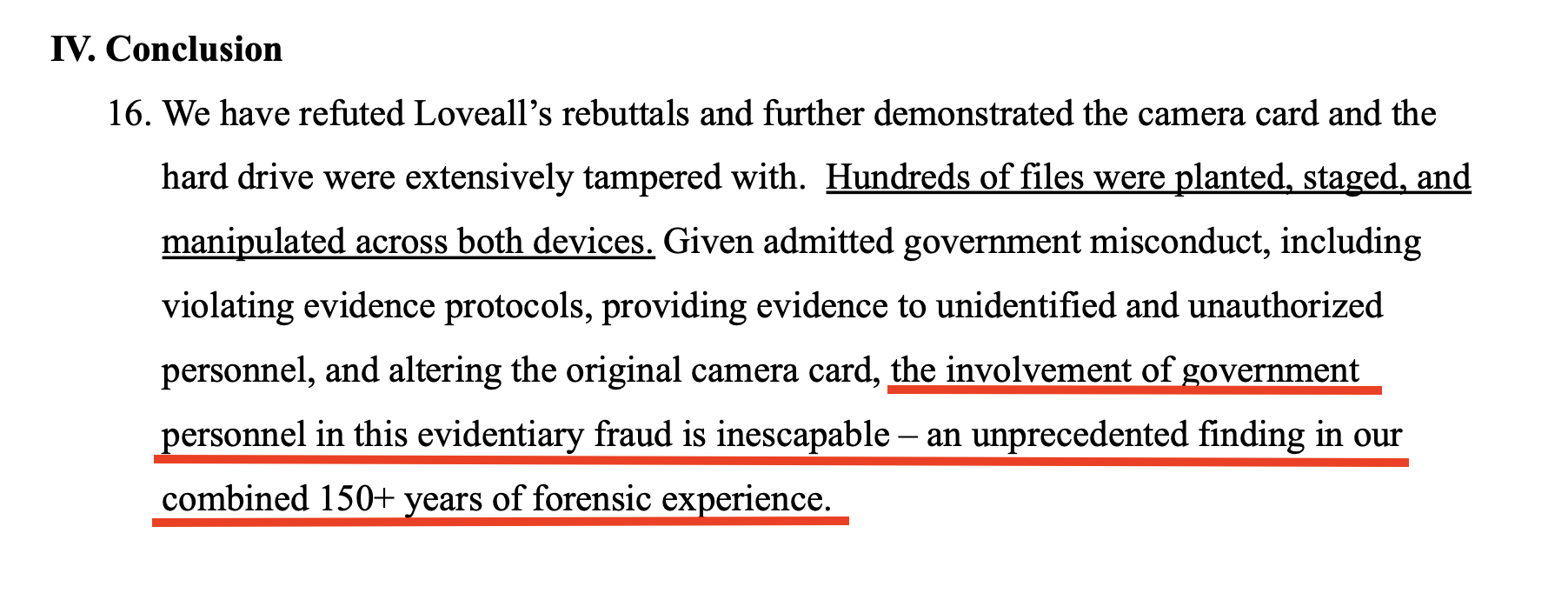
“The involvement of government personnel in this evidentiary fraud is inescapable — an unprecedented finding in our combined 150+ years of forensic experience.”
JK
Dr. James R. Kiper, Ph.D.
Retired FBI Special Agent & Unit Chief, FBI Academy (20 yrs)
SE
Stacy Eldridge
Former FBI Senior Forensic Examiner (10 yrs)
MB
Mark D. Bowling
Retired FBI Asst. Special Agent in Charge & Forensic Examiner (20 yrs)
WO
William Odom
Former FBI Special Agent & Forensic Examiner (25+ yrs)
SA
Steven Abrams, J.D., M.S.
Digital Forensics Expert; former U.S. Secret Service (25+ yrs)
SB
Stephen Bunting
Former Captain, U-Del Police; author of 5 forensics textbooks
WN
Wayne Norris
Computer Forensic Expert; 36 yrs as expert witness
An independent expert retained by Newsweek verified their findings.
Newsweek’s independent expert reviewed the evidence separately — and agreed.
In August 2025, former FBI and DOJ officials wrote a joint letter to FBI Director Kash Patel, urging action on this case.
“We are writing to notify you of clear evidence of indictable government crime, which your predecessor, Director Christopher Wray, refused to act upon. Three former U.S. Attorneys, multiple decorated former FBI agents, and prominent legal figures have stated that they have ‘never seen a case with this degree of widespread government malfeasance as United States v. Keith Raniere’ in their entire careers.”
The findings are backed by figures whose politics diverge sharply — yet who agree on this record.
MS
Michael Sullivan
Former U.S. Attorney, District of Massachusetts
BT
Brett Tolman
Former U.S. Attorney, District of Utah
BC
Bud Cummins
Former U.S. Attorney, E.D. Arkansas
RS
Ronald S. Sullivan Jr.
Harvard Law Professor; led 6,000+ exonerations
RM
Hon. Richard Mays, Sr.
Retired Justice, Arkansas Supreme Court
AE
Alan Ellis
Past President, NACDL
AD
Alan Dershowitz
Harvard Law Professor Emeritus
Merrick Garland · Attorney General, 2021–2025
Awards, after the proof was filed
On Garland’s watch
Garland ran the Justice Department that appointed Jack Smith and pursued President Trump across multiple prosecutions. Here is the sequence on his watch:
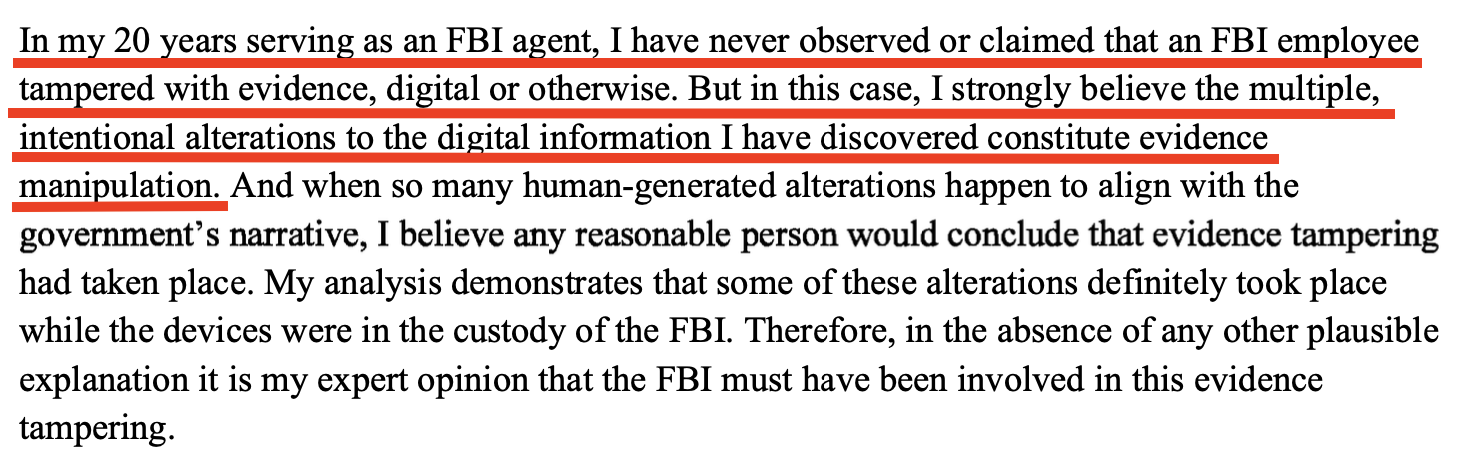
MAY 3, 2022The proof is filed in open court. The defense files a Rule 33 motion backed by three forensic examiners who certify that the digital evidence was falsified. The primary report comes from Dr. James Richard Kiper, PhD — a retired FBI Quantico unit chief and forensic examiner.
An excerpt from Dr. Kiper’s report.
JULY 12, 2022Garland’s DOJ hands out awards. Just over two months later — the proof already on the public docket — the Justice Department gives Attorney General’s Awards to the very EDNY prosecutors and FBI agents implicated in that filing — for their work in this very case.DOJ’s own press release →
NOVEMBER 2023Seven experts confirm and expand the findings. Seven forensic experts — four of them former FBI — join together and not only certify Kiper’s original findings but expand them — the record that three former U.S. Attorneys would call the most widespread government malfeasance they had ever seen.The seven experts’ joint conclusion. Full report (Doc. 1273-7) →
It raises a plain oversight question: why honor the people at the center of that record — and when did the Attorney General learn of it?
What he should be asked, under oath
Each of these is documented on the record, and represents a subset of the misconduct uncovered and verified by former FBI experts. Does the Attorney General consider it acceptable — and if not, why the awards?
FBI agents created evidence “scenes” using items of unknown origin, then presented those photographs as authentic trial evidence. See the proof →
An unnamed FBI technician secretly altered a key device before it reached the forensics lab — and never signed the chain of custody. See the proof →
An FBI examiner secretly re-copied key evidence mid-trial; 37 new files appeared, and the government concealed the re-copying for 5.5 years after trial. See the proof →
Prosecutors told the court the original FBI examiner couldn’t testify because he was in Ghana — when Ghana’s own records later proved he wasn’t. See the proof →
Richard Donoghue · U.S. Attorney, EDNY; Acting Deputy AG
A charge that was never charged
The man who became a star witness of the January 6 hearings against President Trump is the same U.S. Attorney who supervised the Raniere prosecution — the case of which three former U.S. Attorneys said, “we have never seen a case with this degree of widespread government malfeasance.” And at the moment of the verdict, he stood at a podium and announced a crime that does not exist in this case.
At the post-verdict press conference, he listed the crimes the trial had supposedly proven:
“a crime boss of a cult-like organization involved in sex trafficking, child pornography, extortion, compelled abortions…”
The first three were real charges in the indictment. The fourth — “compelled abortions” — was not. It appears nowhere in the indictment; it is not on the jury’s verdict sheet — the official list of charges the jury actually ruled on; it was alleged by no witness; and it was never tried. A U.S. Attorney announced it as proven anyway.
Then-U.S. Attorney Richard Donoghue, post-verdict press conference, June 19, 2019 — the “compelled abortions” line.
Major outlets then repeated the invented charge as fact on verdict day — NPR, TIME, CBS, and The Guardian — cementing a fabricated allegation into the permanent public record of a federal case.
There is no acceptable version
A U.S. Attorney stood at a podium and named one of the most heinous crimes imaginable — one that was never charged and never alleged by a single witness.
Best case, he was handed a script and read it without checking — branding a man with a fabricated crime on live television. Worst case, it was written that way on purpose. There is no version where the government gets to do this.
And the timing is the worst of it: not an offhand remark, but the moment of the verdict, after a six-week trial, with the whole country listening. From there it spread everywhere — and it stuck.
This is the same official the public was later asked to trust, under oath, in the case against President Trump.
Wray led the FBI through the Mar-a-Lago search and the bureau’s investigations of President Trump.
At the same time, the retired FBI unit chief who uncovered the proof of fabrication here — Dr. James Richard Kiper, a former Quantico unit chief and forensic examiner Wray knew personally — warned Director Wray directly, in writing, and repeatedly that the misconduct was being covered up under his watch, calling it “the biggest FBI evidence scandal since the 1990s.”
The FBI under Wray never opened any known public investigation.
The pattern
Warned by name, in writing, more than once, by a decorated former insider he knew — and the Bureau he ran did nothing on the record. That same Bureau was, at that very time, actively pursuing President Trump.
To deny the alleged evidence fabrication, the government brought in FBI forensic examiner David Loveall II. In an August 2025 letter to FBI Director Kash Patel that called the record “clear evidence of indictable government crime,” former FBI and DOJ officials said Loveall was “used to cover up evidence fabrication.”
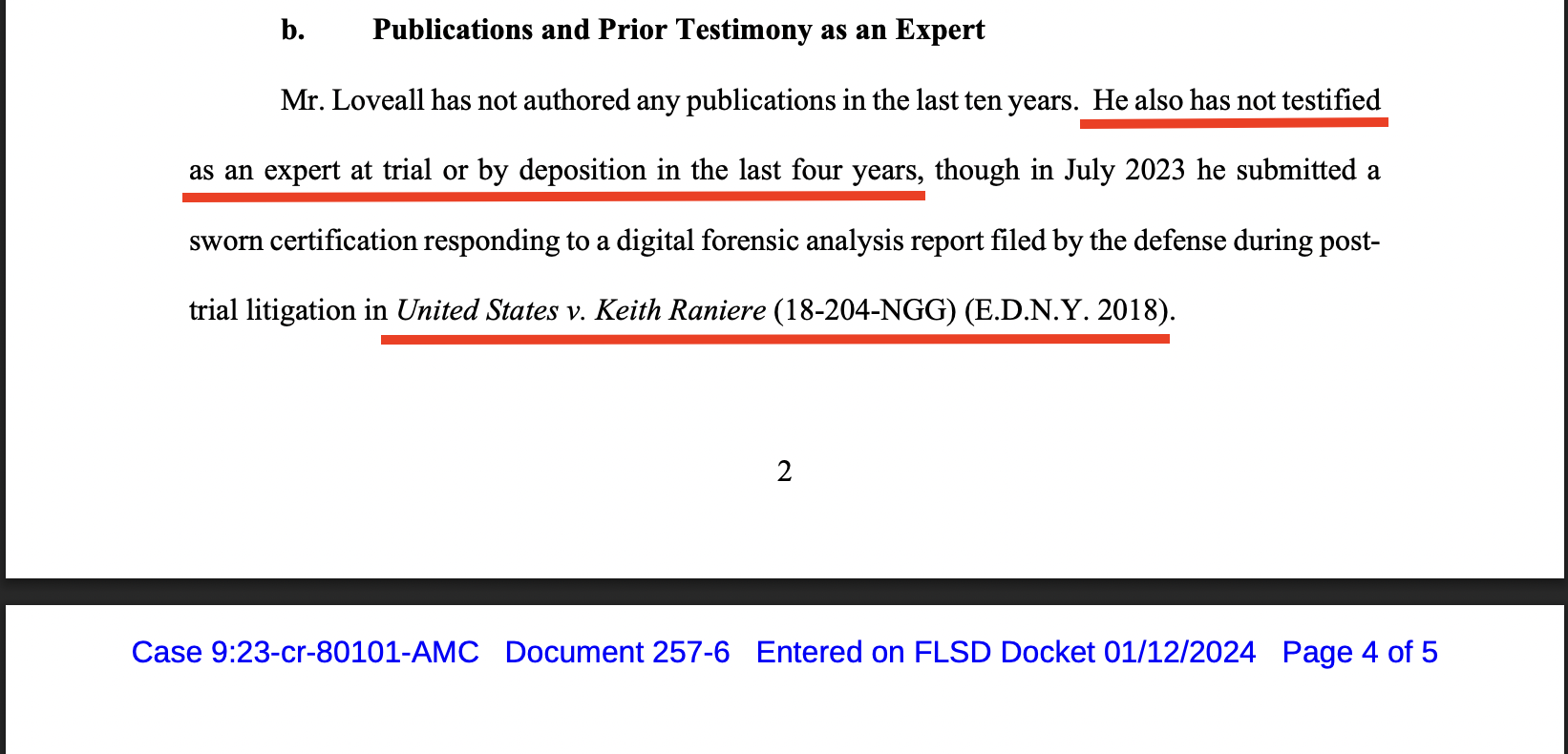
He was not routinely assigned to prosecutions. Over a four-plus-year span, he was brought into exactly one other case to give testimonial evidence — documented in Jack Smith’s own expert notice:
“The FBI expert used to cover up evidence fabrication here was not a forensic examiner routinely assigned to prosecutions. In fact, over a four-year span, he was brought into only one other case: Special Counsel Jack Smith’s prosecution of President Trump.”
Here in Jack Smith’s own expert notice (Doc. 257-6), Loveall is named the designated testifying expert — the only testimonial assignment in 4+ years besides the cover-up report in U.S. v. Raniere. Source PDF →
And that report
Retired FBI Assistant Special Agent in Charge Mark Bowling analyzed that very Loveall report in a declaration under penalty of perjury — and concluded it was deliberately built to mislead:
MB
Mark Bowling
Retired FBI Assistant Special Agent in Charge (ASAC)
The district judge, Nicholas Garaufis, denied an evidentiary hearing into the alleged fabrication — relying on the government’s undated, proofless FBI expert report from David Loveall, without ever requiring him to testify. He had earlier ordered the Trump administration to keep DACA in place.
The Second Circuit panel that affirmed him — and even commended the district judge for “skill, patience, and restraint” — was made up of three judges who each later ruled against President Trump:
The Second Circuit’s precedent is explicit. Under United States v. Franzese, 525 F.2d 27, 30–31 (2d Cir. 1975), the government’s post-trial submissions may “not [be considered] as a basis for finding a petitioner’s allegations to be false.” Yet that is precisely how the untested, undated report was used to deny a hearing here.
The short version: this office was offered certified evidence of a serious crime committed in its own backyard — and refused to even take the meeting. Months later, the same two prosecutors charged President Trump.
Here is how it unfolded. In September 2022 — before the Manhattan D.A. charged President Trump — this office was handed credible, certified evidence that FBI agents had tampered with evidence right in New York, a crime inside its own jurisdiction. It agreed to meet. Then, the moment it learned which case the evidence came from, it canceled the meeting and walked away.
2022: Chief, Investigation Division → Lead trial prosecutor, People v. Trump
CC
Christopher Conroy
2022: Investigation Division → Senior prosecutor, People v. Trump
What the correspondence shows
WED · SEP 14, 2022 · 3:22 PMThe office said yes to a meeting. A former prosecutor from this very office and a retired FBI unit chief asked to meet about possible crimes in Manhattan. The office set it for 10 a.m. Friday, Sept. 16 — Christopher Conroy confirmed with a one-word reply, “Yes,” that afternoon.
THU · SEP 15, 2022 · 10:48 AMIts own investigator already knew about it. The night before, a senior investigator in the office called for details. Before anyone named the case, he guessed it was Raniere — “because he had seen press regarding FBI evidence tampering.” It was already on his radar.
THU · SEP 15, 2022 · THAT MORNINGHours later, it canceled. The office called back the same morning. It had only “pulled all publicly available documents” — it never met, and never looked at the marked-up forensic evidence it had been offered. It decided the matter was already “being handled in at least one judicial forum if not two” and saw no reason to step in.
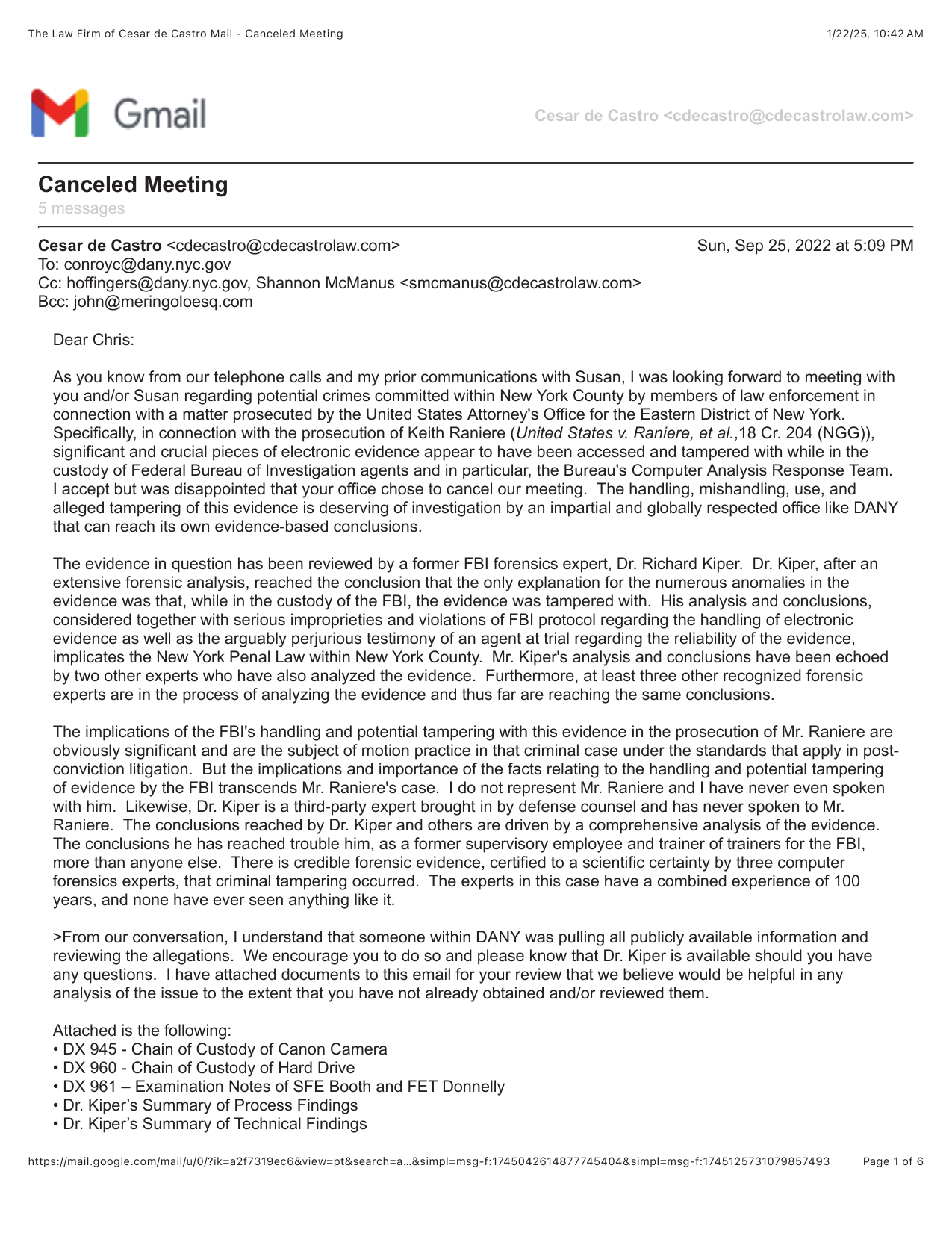
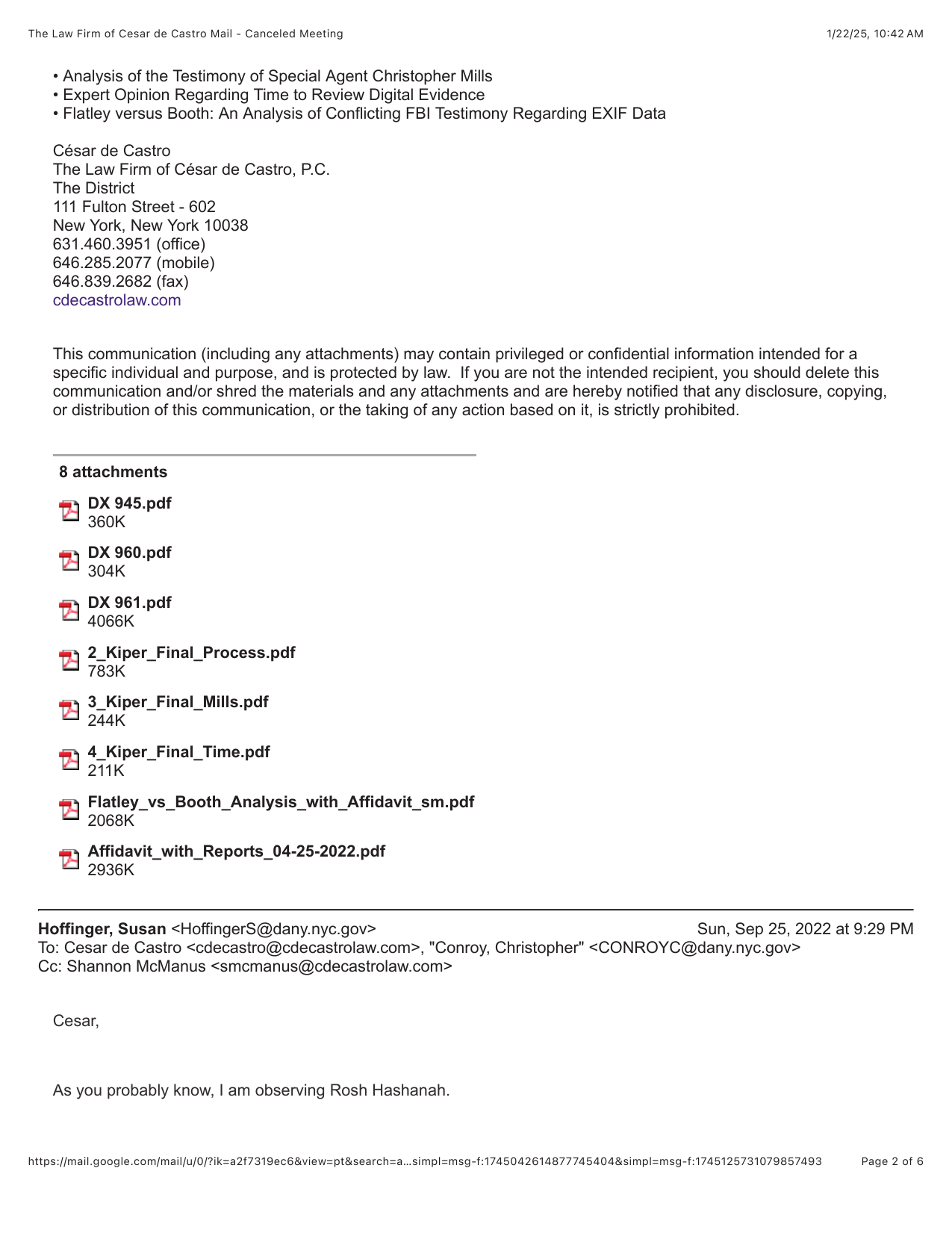
SUN · SEP 25, 2022 · 5:09 PMIt was told exactly what was at stake — and let it go. A formal letter spelled out the allegation and attached eight exhibits — including the records of who had handled the evidence, and the expert reports. Susan Hoffinger’s only reply, at 9:29 p.m., was a note about observing Rosh Hashanah. The thread ended the next morning — Mon., Sept. 26, 8:41 a.m. — with “Happy new year.”
What the office declined to look at was not a hunch. As the letter to it stated:
“Significant and crucial pieces of electronic evidence appear to have been accessed and tampered with while in the custody of Federal Bureau of Investigation agents — in particular, the Bureau’s Computer Analysis Response Team.”
“There is credible forensic evidence, certified to a scientific certainty by three computer forensics experts, that criminal tampering occurred. The experts in this case have a combined experience of 100 years, and none have ever seen anything like it.”
And this was squarely the office’s job to handle. The crimes alleged were “committed within New York County by members of law enforcement” — in attorney César de Castro’s words, “in fact right across the street” — no matter what was happening in Raniere’s separate federal case.
The even-handedness point is simple. Presented with certified evidence of government crime in its own jurisdiction, the office would not so much as take the meeting. Presented with President Trump, the same prosecutors built a first-of-its-kind case and tried it to conviction.
Exhibit · the cancelled-meeting letter · Sept. 25, 2022
Moira Kim Penza was the lead EDNY prosecutor who tried U.S. v. Raniere to conviction.
After leaving the Justice Department, she joined the firm Wilkinson Stekloff and represented Summer Zervos — the former Apprentice contestant — in her defamation lawsuit against President Trump.
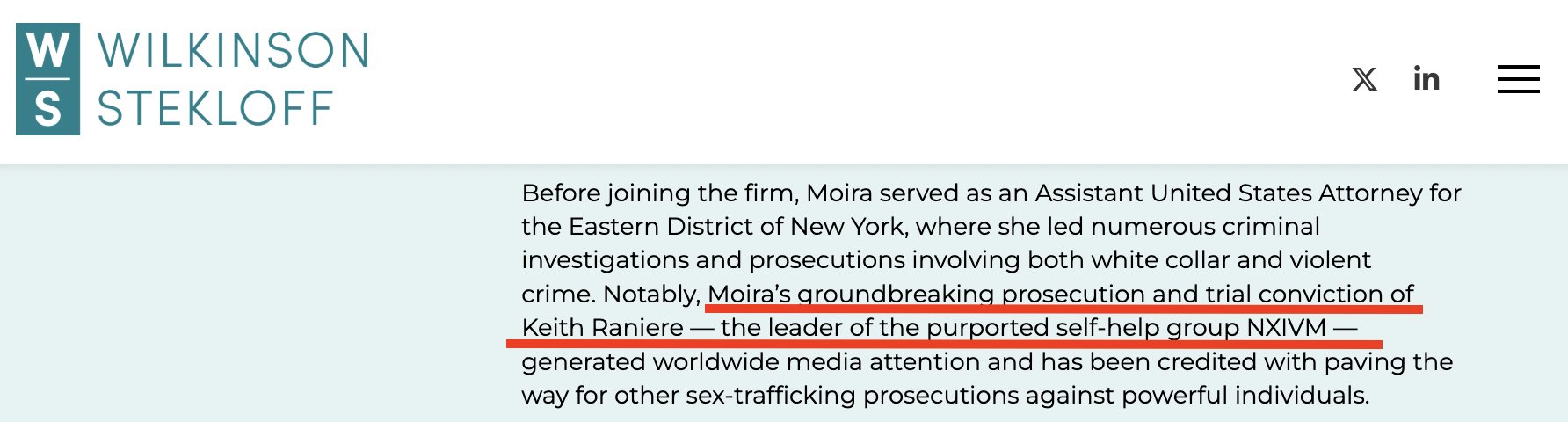
On her own firm bio, she touts this very case
On her Wilkinson Stekloff profile, Penza calls the Raniere prosecution “groundbreaking” — “credited with paving the way for future sex-trafficking prosecutions against powerful individuals.”
Her firm bio — touting U.S. v. Raniere as a career landmark.
Yet this is the same case in which
“In our collective experience, we have never seen a case with this degree of widespread government malfeasance as United States v. Keith Raniere et al.”— Three former U.S. Attorneys
“The involvement of government personnel in this evidentiary fraud is inescapable — an unprecedented finding in our combined 150+ years of forensic experience.”— Seven forensic experts (four former FBI), under penalty of perjury
An independent expert retained by Newsweek separately reviewed the evidence — and verified their findings.
Penza herself is also implicated in several instances of misconduct in the case — read more here →
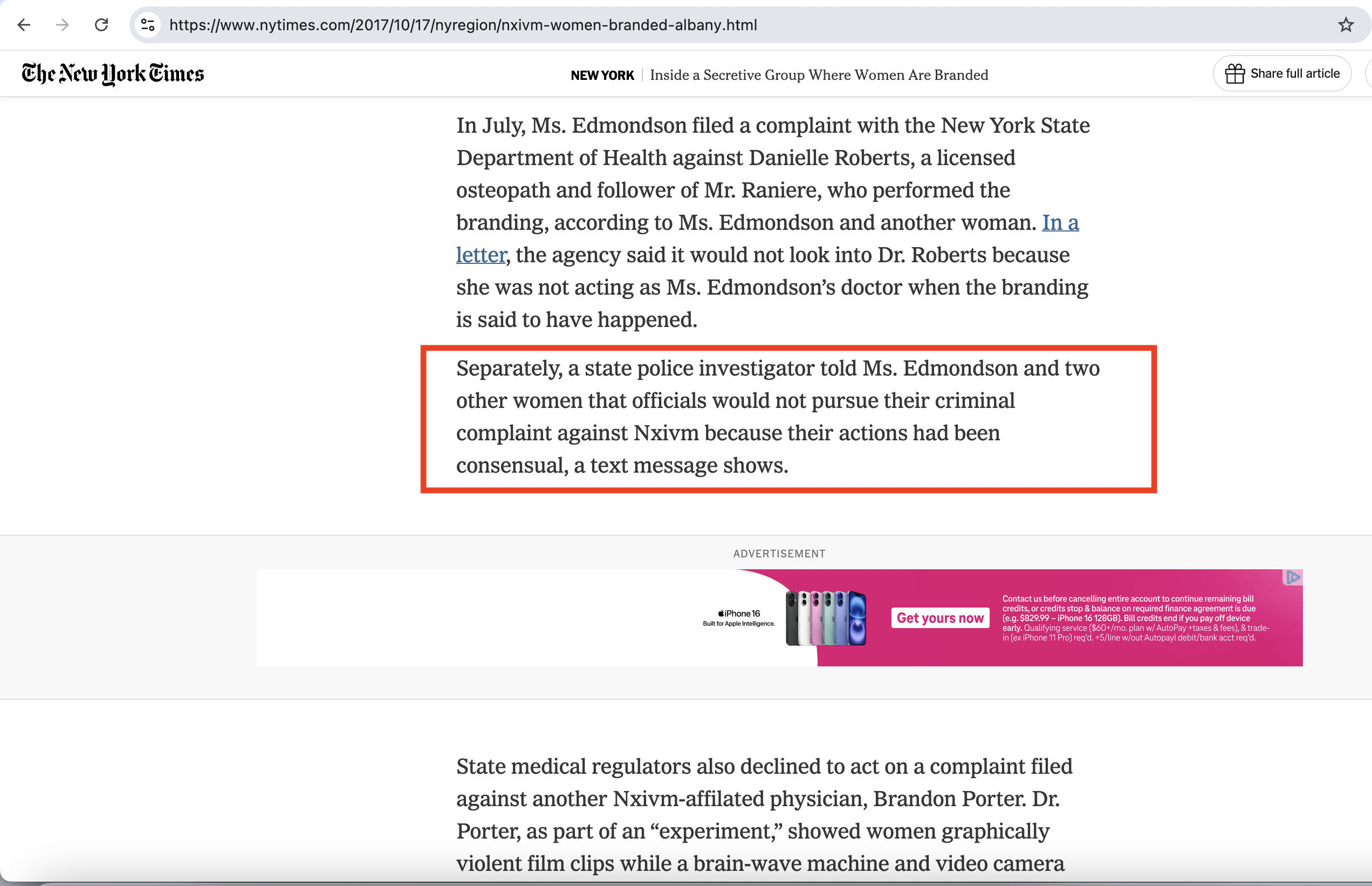
The conduct was already reviewed. New York State Police called it “consensual.” The local federal district did not prosecute. Then a New York Times article ran — and Brooklyn federal prosecutors turned it into a national criminal case within days.
Proof 1
The “branding” was never charged.
This narrative comes from the 2017 New York Times article.
The allegation that dominated worldwide media coverage — the receiving of a “brand” using an electrocautery pen, akin to tattooing — never became a criminal charge in the prosecution.
The central “branding” allegation in the article came from a woman who never testified in the criminal trial.
Proof 2
NY State Police called the conduct “consensual.”
New York State Police reviewed the underlying conduct — including the so-called “branding” allegations — and concluded it was “consensual.” That finding appears in The New York Times’s own October 2017 article.
The New York Times, October 17, 2017
— the article reports the New York State Police describing the activities as “consensual.”Read the article →
Proof 3
NDNY passed. EDNY pounced — after the article.
The Northern District of New York (NDNY) — the federal district where the alleged conduct had occurred — had already been approached, months earlier, with the underlying allegations, according to the trial testimony of government witness Mark Vicente. NDNY did not prosecute.
Then the October 2017 NYT article ran. Lead EDNY prosecutor Moira Kim Penza later stated on camera, in the STARZ docuseries Seduced, that she read the article and her office assembled a federal task force within days.
STARZ, Seduced — Moira Kim Penza.
On camera, the lead EDNY prosecutor describes reading the New York Times article and launching the federal task force within days.
“When I read the New York Times article, it immediately felt apparent to me that there was criminal conduct going on and that there must be a lot more to what I was reading about. And so I started digging in. My office very quickly got an amazing team of FBI agents on board and within days really, we were interviewing witnesses and victims.”
— Moira Kim Penza, lead EDNY prosecutor
If this conduct was criminal, why didn’t the New York State Police or the local federal district (NDNY) act? Why did it take a newspaper article — and a federal prosecutor’s office 160 miles away in Brooklyn that had never been approached in the first place?